


HEALTHCARE
Over the last few decades there has been a series of substantial changes in the healthcare services industry. Recent advances in policy-making, budget cuts, regulatory framework, information and communication technology and risk management practices, all combined with the explosive growth in the volume of attention and criticism for perfection and alternative ways to gain new business. Since 2008, the healthcare industry have witnessed numerous new practices and laws ranging from facility accreditation to the recent competitive bidding program, all geared towards increased integrity and reduced government cost. N
DME
HOME HEALTH
PHARMACY
FORWARD THINKING


TITLE
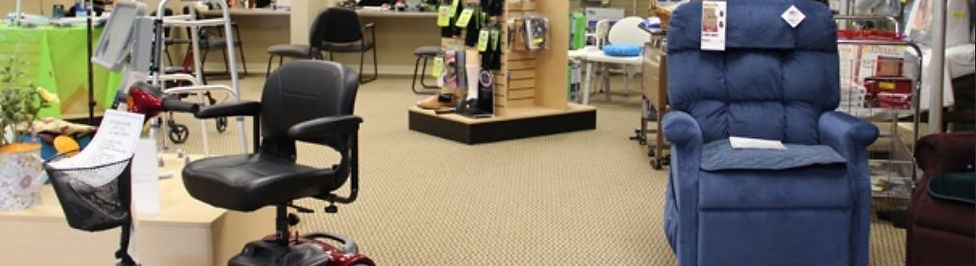
The DME market is highly fragmented, and counts more than 100,000 players. We review the consequences of this fragmentation for manufacturers, providers and payors, and highlight specific segments that appear less fragmented. Our research revealed the key events that may transform the industry- competitive bidding, medicare budget cut, increased industry scrutiny, the referral laws.

Developments in portable medical technologies, patients' preference for in-home care, and demographics are driving growth in home care services. The profitability of individual companies depends on effective marketing and efficient operations. Large companies have some economies of scale in sales and marketing. Small companies can compete successfully by serving a local market and addressing few other key issues.
The 2010 healthcare reform act will expand insurance coverage and subsequently increase demand for pharmaceuticals as they become more affordable to more people. While sales volumes will grow as more people gain coverage, the government will likely initiate cost cutting, shrinking profit margins. Competition among industry players and from alternate retailers will continue to intensify due to strong demand for prescription drugs
The health care industry is also evolving, and not just through government intervention. More and more, health care is taught as a way of life, rather than as a crisis to be dealt with.
Clearly, opportunity is being created both by changes in the health care industry itself and by changes in our own beliefs about well-being, and the result is rising spending on health care products and services of all kinds. Entrepreneurs have responded, finding better solutions to old problems and launching new businesses to meet the needs of an aging but increasingly health-conscious population.
Policies & Procedures for all healthcare facilities.
ACCREDITATION & CERTIFICATION


Section 302 of the Medicare Modernization Act (the Act) required the Secretary to establish and implement quality standards for suppliers of Durable Medical Equipment, Pr
osthetics, Orthotics, and Supplies (DMEPOS). All suppliers that furnish Durable Medical Equipment (DME), prosthetic
device, prosthetic, or orthotic items or services must comply with the quality standards in order to receive Medicare Part B payments and to retain a supplier billing number. Similar requirements are mandated under the same ACT, 42 Code of Federal Regulations for the following healthcare agencies.
• Ambulatory Surgery Centers
• Community Mental Health Centers
• Critical Access Hospitals
• End Stage Renal Disease Facility Providers
• Home Health Providers
• Hospices
• Hospitals
• Intermediate Care Facilities for the Mentally Retarded (ICFs/MR)
• Clinical Laboratories
• Life Safety Code Requirements
• Nursing Homes
• Five-Star Quality Rating System
• Psychiatric Residential Treatment Facility Providers
• Psychiatric Hospitals
• Outpatient Rehabilitation Providers
• Inpatient Rehabilitation Facilities
• Comprehensive Outpatient Rehabilitation Facilities
• Rural Health Clinics
COMPETITIVE BIDDING


The DMEPOS Competitive Bidding Program was mandated by Congress through the Medicare Prescription Drug, Improvement, and Modernization Act of 2003 (MMA). The statute requires that Medicare replace the current fee schedule payment methodology for selected Durable Medical Equipment, Prosthetics, Orthotics and Supplies (DMEPOS) items with a competitive bid process. The intent is to improve the effectiveness of the Medicare methodology for setting DMEPOS payment amounts, which will reduce beneficiary out-of-pocket expenses and save the Medicare program money while ensuring beneficiary access to quality items and services.
Participation although not mandatory is recommended to enable providers furnish Medicare beneficiaries with products within a competitive bid area.
Whether an organization is going through the competitive bidding program or just preparing for the accreditation or certification, it is imperative that knowledgeable aid is used, as mistakes and omission can be very expensive.